
Furnished or Unfurnished: Which is Better for Landlords?
Deciding whether to let a property furnished or unfurnished is not as simple as it looks on paper. At first glance, the difference seems obvious – fill the home with furniture, or leave it bare – but the reality is layered with financial, legal, and practical considerations. Landlords who rush into one option without weighing these factors often discover that the wrong choice can complicate everything from tenant turnover to long-term returns.
What Does Furnished Actually Mean?
The term itself is more ambiguous than many realise. A “furnished” property might include full bedroom sets, kitchen equipment, and even small appliances. For others, it simply means a sofa and a bed frame. Legally, there’s no rigid definition, which leaves landlords with some discretion but also potential grey areas if disputes arise.
By contrast, “unfurnished” doesn’t necessarily mean stripped bare. Basic fixtures – curtains, carpets, light fittings – are usually still expected. Tenants need to be able to move in without having to rewire or carpet the place themselves. So in practice, both options operate on a spectrum, and that nuance is where the decision becomes complex.
Why Would Landlords Choose Furnished?
Not only is a furnished setup appealing to certain tenants, but it can also open doors to specific markets. Corporate lets, young professionals relocating for work, and international students often expect ready-to-move-in accommodation. The convenience factor is powerful: no need to buy, move, or later sell furniture.
But the advantages aren’t limited to tenant convenience. Furnished properties can sometimes command higher rent, especially in city centres where short-term stays are common. And in competitive rental markets, the presence of decent-quality furniture can give one property the edge over another.
That said, the benefits come with strings attached. Furniture depreciates, needs maintenance, and increases your responsibilities. Landlords also carry the risk of disputes over wear and tear. A sofa that looks “well-loved” to you may look “unacceptable” to a tenant, and that gap in perception can lead to deductions from deposits – and in turn, conflict.
Why Might Unfurnished Be More Practical?
For longer-term tenants, unfurnished often feels like the better option. Families, in particular, prefer bringing their own belongings, shaping the property to fit their lifestyle. And from a landlord’s perspective, fewer items inside means fewer liabilities. You won’t have to budget for replacing beds, wardrobes, or white goods every few years.
It’s also worth noting that unfurnished homes can attract tenants who are likely to stay put. Someone who has invested in moving furniture into the property is less inclined to up sticks quickly. Stability of tenancy often outweighs the slightly lower rent you might command compared with a furnished equivalent.
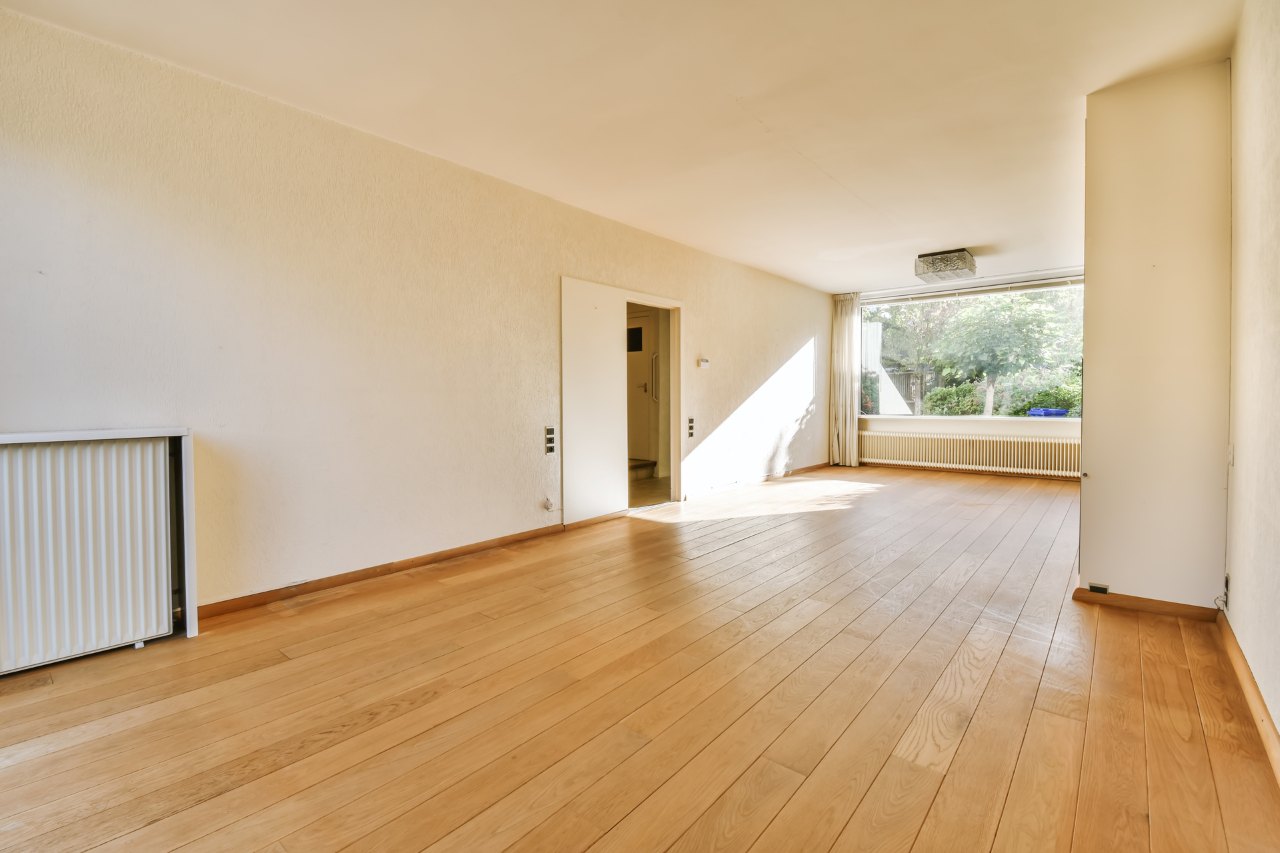
Still, unfurnished isn’t without challenges. Properties that look empty can sometimes feel uninviting during viewings. Prospective tenants may struggle to picture the space lived in. That means landlords need to pay closer attention to presentation – clean finishes, good lighting, and, ideally, neutral décor.
Financial Considerations That Shift The Balance
The financial calculation is rarely straightforward. Furnishing a property involves upfront costs – sometimes thousands of pounds – plus ongoing replacements. While those costs can be offset against tax in certain circumstances, they remain real expenses. On the other hand, unfurnished properties may achieve slightly lower rent, which reduces immediate returns but also limits expenditure.
One practical point: furnished lets can also impact insurance. Policies may carry higher premiums to account for the added value of furniture. And if something is damaged, landlords must navigate whether their policy covers replacement or whether the cost is passed to the tenant.
Here’s where the decision often crystallises:
- Furnished properties suit transient markets – students, short-term corporate tenants, or newcomers without existing furniture.
- Unfurnished homes suit stable, longer-term tenants – families or professionals planning to settle.
The Role Of Tenant Expectations
Understanding your tenant base matters more than any generic rule. In central London, a furnished flat is practically the norm, because demand is shaped by mobility and convenience. In suburban areas, however, the reverse often holds true. Families expect to bring their own furniture, and furnished homes can even be a deterrent.
The link between expectations and satisfaction is crucial. Many of the common tenant complaints landlords face aren’t about rent at all but about condition, maintenance, or misaligned assumptions. Providing a furnished property when tenants don’t want furniture creates one more area of friction.
Location Can Change Everything
It’s not just about the property type or tenant profile – location can shift the decision entirely. For example, well-located properties in Northwest city centres often perform better when furnished, because the tenant base tends to be younger and more transient. By contrast, suburban developments designed with families in mind often see unfurnished demand dominate.
And that regional distinction feeds back into the investment model. In some buy-to-let hotspots such as Liverpool, the strategy behind whether to furnish often aligns with broader market trends. A landlord looking at well-located properties in the Northwest should weigh tenant demographics carefully before committing to either option.
Legal And Safety Requirements
Whichever path you choose, legal obligations apply. Fire safety regulations, for instance, demand that upholstered furniture in furnished rentals meets fire resistance standards. Landlords who cut corners here expose themselves not just to fines, but to significant liability.
Meanwhile, unfurnished properties aren’t exempt from compliance. Fixtures and fittings still need to be safe. Electrical and gas checks remain mandatory. Choosing unfurnished reduces the number of items to manage, but not the importance of maintaining standards.
Balancing Long-Term Value
At the heart of the debate is not simply rent achieved in the first year, but long-term value. A furnished flat may command higher rent today, but the ongoing cycle of replacing items can eat into profits. An unfurnished property may look less lucrative upfront, but the stability of tenants and reduced overheads often balance the equation over time.
It’s tempting to frame this as a binary choice, but perhaps the more accurate view is to see it as situational. Some landlords even adopt hybrid approaches – part-furnished homes with essentials like white goods but without bulky items like sofas or beds. This compromise often appeals to a broader pool of tenants without overburdening the landlord with replacement costs.
Final Thoughts
So, furnished or unfurnished? The answer isn’t universal, and it never will be. The right choice depends on tenant demographics, property location, financial goals, and tolerance for management responsibilities. Not only is a furnished property potentially lucrative in city-centre markets, but it can also reduce vacancy periods when targeting transient tenants. Yet, unfurnished homes provide stability, fewer liabilities, and often longer leases.
The real task for landlords is not to chase a one-size-fits-all model but to align the rental setup with their property type and investment strategy. Getting that alignment right minimises disputes, maximises returns, and ultimately makes the rental experience smoother for both sides.

Share:


