How to Analyse Property Deals Like a Pro
Understanding property investment isn’t about luck or hunches – it’s about clarity, calculation, and reading between the lines of a deal. Too often, investors focus on surface-level numbers without truly understanding what they mean. That’s where the difference between an amateur and a professional emerges. Analysing property deals requires more than checking the price tag; it demands a breakdown of risk, growth potential, and realistic returns.
There’s no single formula to guarantee success, but there are commonly used frameworks to approach each opportunity more systematically. Think of it as peeling back layers: the property itself, the surrounding market, and the long-term financial implications. The moment you can see these layers clearly, you’re no longer reacting to a deal – you’re actively assessing its value.
What Defines A Smart Property Deal?
The term “good deal” is thrown around far too easily in real estate. A property isn’t automatically a strong investment just because it’s priced below market value. Not only is a low price meaningless without context, but it might also signal deeper issues: location challenges, weak rental demand, or upcoming maintenance headaches.
A smart deal is one that aligns with your investment goals and cash flow requirements, while appearing to offer potential for appreciation, recognising that future values and income are uncertain and can go down as well as up. It’s about numbers, yes, but also about patterns in the local economy, infrastructure plans, and tenant behaviour. You want to know not just what the property is worth today, but how its value and rental demand might evolve under different scenarios over the next five to ten years
How Do You Break Down The Numbers?
You can’t skip the financial analysis. It’s not just about gross rental yield or headline figures – real insight comes from digging into net returns. That’s where tools like ROI calculators come into play. By factoring in expenses, void periods, and maintenance costs, you can see the actual profitability.
If you’re unsure where to start, learning how to calculate real estate ROI is a solid first step. It’s a practical way to identify whether a deal is worth pursuing before you even set foot in a viewing.
A useful hypothetical test is to ask how the property might perform in a slower market, accepting that no property is guaranteed to perform well in adverse conditions.
What About The Local Market?
Even the best property can underperform in the wrong location. Market analysis isn’t just about checking prices on a property portal – it’s about understanding the area’s trajectory. Look at job growth, transport links, regeneration projects, and shifts in demographics.
Take central suburbs as an example. They’re often cheaper than city centres, yet close enough to attract young professionals who want affordable, accessible living. This is why opportunities like flats for rent in central suburbs often appeal to investors seeking strong or sustained rental demand, though demand can change over time.
The local rental market tells its own story – vacancy rates, tenant demand, and average time to let are all indicators of how your investment might perform. Without these insights, even a “bargain” property can become a financial drain.
Stylish Warrington buy-to-let apartments from £164,950. Invest today with as little as £33k.
Invest in this North West regeneration hotspot and generate 6% NET yields and 27.6% projected capital growth!

Which Tools And Metrics Should You Use?
There’s no shortage of tools, but the key is knowing how to interpret the data they provide. A spreadsheet might show a promising yield, but if it’s based on optimistic rental values, the result is meaningless. That’s why many professionals combine multiple metrics such as cash-on-cash return, cap rate, and ROI – to build a full picture.
And don’t forget comparative analysis. What are similar properties selling or renting for in the same area? If your deal stands out as too good to be true, question why. It could be a rare opportunity – or a hidden problem.
A Quick Checklist For Deal Analysis
- Market health: Are local prices and rents stable, rising, or declining?
- Cost breakdown: Have you included maintenance, service charges, and insurance?
- Exit strategy: Could you sell or remortgage the property if needed?
- Rental demand: How quickly do similar properties let in the area?
- Growth drivers: Are there any upcoming infrastructure or commercial projects?
When Should You Walk Away?
Sometimes, the smartest move is to pass on a deal. Not every property fits your strategy, and not every “hot” area is worth the hype. If the ROI doesn’t meet your target, or if the local economy shows signs of stagnation, walking away is better than chasing marginal returns.
It’s easy to get caught up in fear of missing out, but professional investors know that patience pays. If an opportunity doesn’t feel like the right fit, there will always be another deal. The key is recognising when a property simply doesn’t stack up against your financial criteria.
The Bottom Line
Analysing property deals like a pro isn’t about perfection – it’s about discipline. You need to blend numbers with context, gut instincts with evidence. Look beyond the asking price and focus on understanding potential returns, how resilient the market might be, and whether your growth assumptions are realistic, recognising that outcomes are not guaranteed.
When you approach deals with this mindset, the difference is clear: you’re not just buying a property, you’re building a long-term investment strategy.
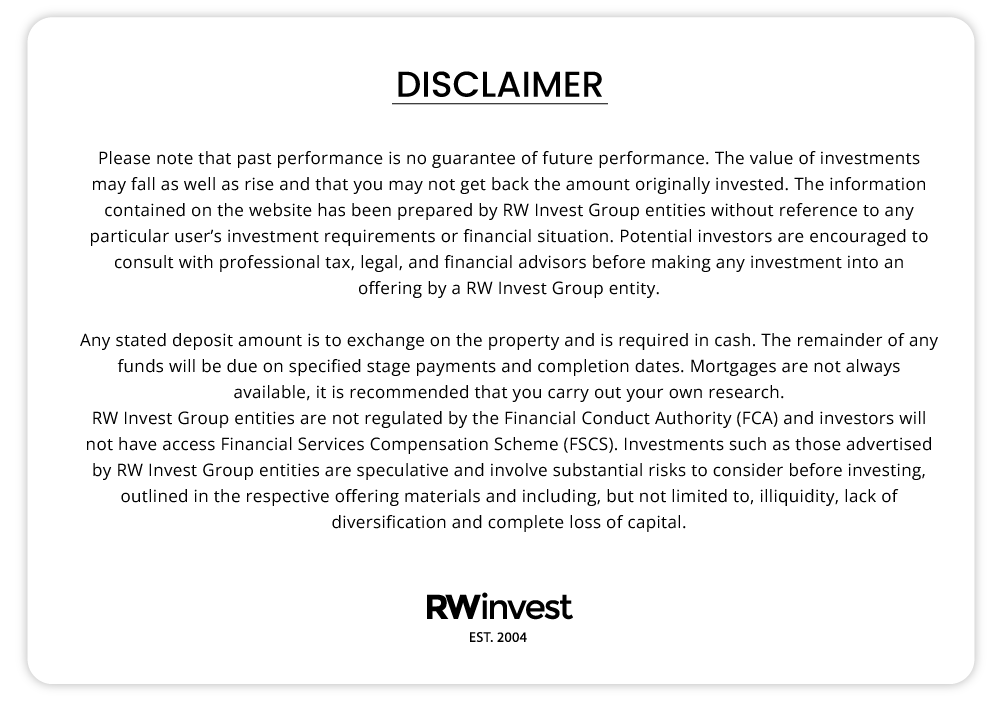
Remember that property investment involves risk. Property values and rental income can go down as well as up, and investors may not get back the amount originally invested. The frameworks and metrics discussed do not guarantee success, profit, or any particular level of return.

Share: