
Regeneration Reshapes Liverpool Property Market
Don’t miss out on the best new investment deals. Enter your details now to sign up to our mailing list and receive exclusive information straight to your inbox.
How Has Regeneration in Liverpool City Centre Boosted the Local Property Market?
With its rich maritime heritage, Liverpool is a testament to the UK’s industrial prowess. A historical powerhouse, Liverpool played a pivotal role as a major port city during the Industrial Revolution. However, the city’s economic evolution faced challenges in the latter part of the 20th century.
Urban regeneration has catalysed change in Liverpool city centre. This strategic revitalisation preserves historical significance and launches the city towards an exciting future, attracting investment and businesses.
The magnitude of the city’s massive regeneration schemes has led to an influx of buy-to-let investment opportunities, particularly in the luxury residential, student accommodation and serviced accommodation markets.
Today, we’ll be looking at how Liverpool’s property market has benefited from urban regeneration and what this means for buy-to-let investors now and in the future.
The UK Property Market in 2026 - What's Predicted?
Learn whether 2026 is a good year to invest with our key predictions for the year ahead, as well as a look back on 2025 and how the market performed. Download your essential guide now!

Why Did Liverpool Need Regeneration?
Liverpool, renowned for its historical significance as a port city, played a pivotal role in shaping the economic landscape of the UK. During the Industrial Revolution, the city’s docks served as a gateway to the world, facilitating trade and migration.
However, in the latter part of the 20th century, Liverpool faced economic downturns that left an indelible mark on its city centre. Decline ensued, with abandoned warehouses and neglected infrastructure painting a sad picture of urban decay.
Regeneration became a strategic imperative to foster economic recovery and cultural resurgence.
Urban regeneration initiatives, such as redeveloping the iconic waterfront and repurposing derelict industrial areas like the Baltic Triangle, symbolised the city’s commitment to renewal. These projects aimed not only to restore architectural grandeur but also to create vibrant, sustainable communities.
The rejuvenation of the city centre has since attracted investors, businesses, and residents.
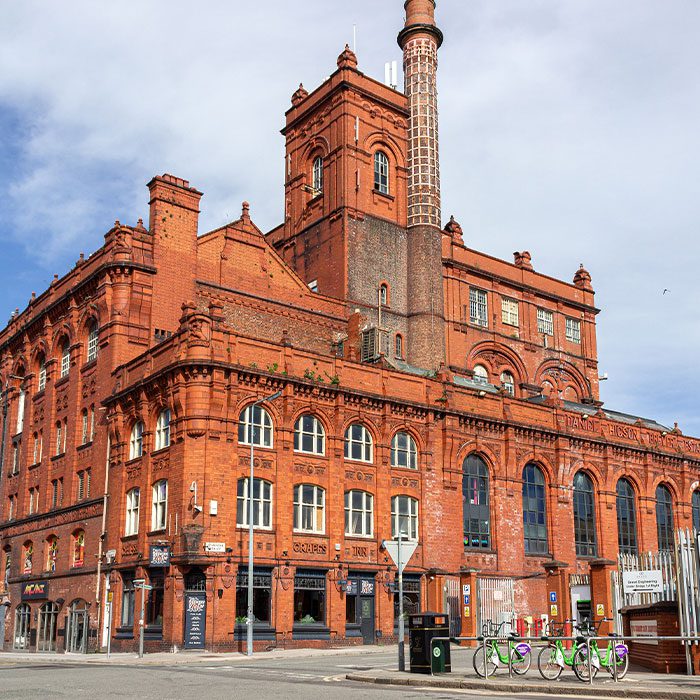
Baltic Triangle Regeneration
Once an industrial hinterland in Liverpool, the Baltic Triangle has undergone a remarkable transformation in recent years, emerging as a cultural and creative hub.
This triangular area between Liverpool’s city centre and the docklands has evolved from abandoned warehouses and disused factories into a bustling district. In fact, it has been named one of the coolest neighbourhoods in the world.
The regeneration of the Baltic Triangle has attracted a diverse array of businesses, creative enterprises, and artists. Former industrial spaces have been repurposed into trendy art galleries, independent cafes, and co-working spaces.
The area’s distinctive blend of historic architecture and contemporary design has created an appealing environment for residents and visitors alike.
Notably, the Baltic Triangle has become a focal point for Liverpool’s creative and digital industries, regularly hosting numerous events, festivals, and cultural initiatives. The influx of investment and the establishment of a thriving community underscore the success of the regeneration efforts, turning an overlooked industrial quarter into one of the must-visit places in Liverpool’s city centre.
Venues such as the Baltic Market, Camp and Furnace, and Hangar 34 have ensured the Baltic Triangle is one of the jewels of Liverpool’s nightlife.
Purpose-built residential developments such as Parliament Square and the upcoming Heaps Mill project have breathed life into the local residential scene, bringing luxury living to one of the most sought-after parts of the North West property scene.
More than £190m has been injected into the Baltic Triangle. With a new train station set to open, linking the area to Liverpool’s rail service, the Baltic’s popularity among investors and residents is set to increase further.
Rents of around £1,615 a month projected as a short let in a thriving Liverpool regeneration area
Enquire about Fox & Foundry today, our latest addition to Liverpool’s Pumpfields regeneration zone, with prices from £247,950.
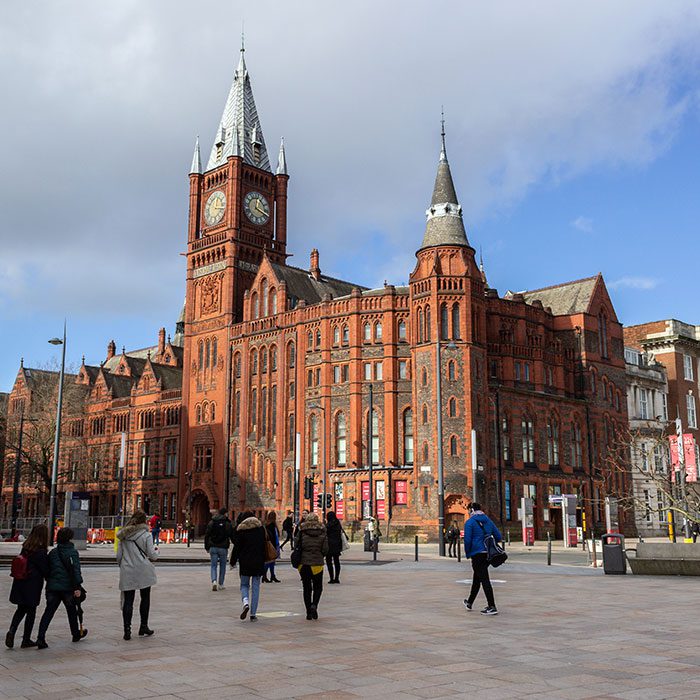
Knowledge Quarter Regeneration
Liverpool’s Knowledge Quarter is a strategic initiative that has positioned the district as a global hub for research, learning, and technological advancement. Anchored by renowned academic institutions like the University of Liverpool and Liverpool John Moores University, the Knowledge Quarter is characterised by cutting-edge facilities, research centres, and collaborative spaces.
The regeneration of the Knowledge Quarter has attracted leading minds and businesses, fostering an exciting environment beyond academia. Investments in state-of-the-art infrastructure, such as the Materials Innovation Factory and the Sensor City technology hub, underscore the district’s commitment to scientific progress.
As the Knowledge Quarter continues to evolve, it enhances Liverpool’s global standing in research and development and contributes to the city’s economic prospects and intellectual vibrancy. RWinvest have some useful property investment tools such as the popular buy to let income calculator.
More than £2bn has been invested into the Knowledge Quarter. In addition, the area is also home to ELEMENT – The Quarter, the first eco-development in Liverpool.
Rents of around £1,615 a month projected as a short let in a thriving Liverpool regeneration area
Enquire about Fox & Foundry today, our latest addition to Liverpool’s Pumpfields regeneration zone, with prices from £247,950.
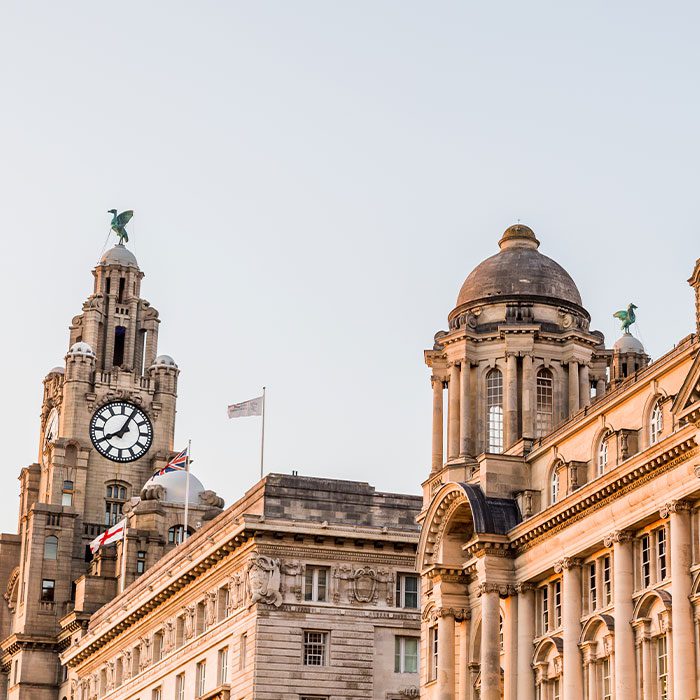
How Has Liverpool Property Benefitted From Local Regeneration?
Liverpool’s regeneration initiatives have significantly benefitted the local property market, transforming the city into a prime destination for buy-to-let investors. The regeneration, exemplified by projects like the Baltic Triangle and Knowledge Quarter, has enhanced the city’s aesthetic appeal and attracted interest from homebuyers and businesses.
The rejuvenation of neglected areas has led to a remarkable increase in property values, with once-declining neighbourhoods experiencing a resurgence in demand. Improved infrastructure, new amenities, and a focus on sustainable development have contributed to the overall desirability of Liverpool as a place to live and invest.
Liverpool experienced a remarkable 41.6% surge in property values during the five years preceding 2025, placing it among the UK’s strongest performers in residential property price growth. Comparable increases were seen in other major cities, with Manchester at 42.4%, Leeds at 27.6%, and Birmingham at 22.5%, while growth in London remained significantly more subdued. Additionally, in the most recent year, Liverpool recorded annual house price growth of around 6-8%, outperforming both the regional and national averages and further solidifying its position as a standout performer in the property market.
Buy-to-Let Investment: The Ultimate Guide
Is buy-to-let investment a good idea? Download our must-read guide with the latest information for 2026 and helpful tips for beginners.
Download Guide
Want to Know How to Invest £50k in Property?
Discover the best ways to invest £50,000 in property in 2026 with our free informative guide. Download your copy now for instant access!
Download Guide
The Link Between Liverpool’s Property Market, Regeneration and the City Economy
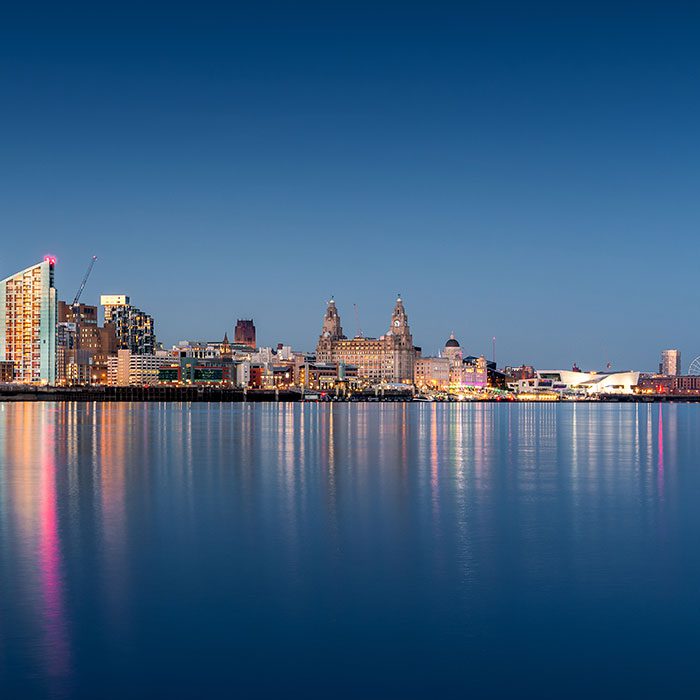
One of the key reasons more people are choosing to buy in Liverpool is the city’s sustained economic momentum. Liverpool was previously identified as one of the UK’s fastest-growing city economies by The Data City, reflecting a sharp rise in high-growth and scale-up businesses.
With growth rates significantly outpacing many parts of the UK, Liverpool has consistently narrowed the gap with traditionally dominant cities such as London. In recent years, the city region’s economy has been valued in excess of £14bn annually, underlining the scale and resilience of its expansion.
The global spotlight intensified when Liverpool hosted the Eurovision Song Contest in 2023, attracting approximately 473,000 visitors and a worldwide audience of over 160m. The event delivered an estimated £50m+ boost to the local economy and significantly elevated the city’s international profile.
This visibility has continued to support Liverpool’s thriving visitor economy. The city now attracts tens of millions of visitors annually, driving strong demand in the short-term rental and serviced accommodation sector. As a result, occupancy levels have risen substantially in recent years, reflecting growing investor interest and tourism resilience.
Backed by extensive regeneration across the North West, Savills continues to highlight the region as one of the UK’s standout buy-to-let markets. The firm forecasts returns of around 8-10% for North West property investments in the near term, reinforcing the long-term appeal of the Liverpool market.
Read More: Interested in learning how to invest in off-plan property in Liverpool? Make sure you check out our guide on buy-to-let in Liverpool.
RWinvest Investment Finder
Find the Perfect Investment for you.How Does Liverpool Compare to the Rest of the UK When it Comes to Property Investment?
Liverpool’s burgeoning property market is an enticing prospect thanks to significant price growth in recent times. However, the city is still considerably more affordable than many other UK cities.
By the end of 2025, the average property price in Liverpool stood at around £185,000 (per the HM Land Registry UK House Price Index), making it considerably more affordable than both the North West and UK-wide averages.
The city’s waterfront, a focus of extensive regeneration, is particularly enticing for buyers. It offers premium property at prices comparable to the average property investment in Birmingham or Manchester but with strong appreciation potential. According to Savills, the North West should see capital growth of over 27% by 2030, meaning those bargain properties could rocket in price in the next few years.
Liverpool has also become increasingly attractive for both living and working. The demand for modern, well-connected living spaces has increased property development, driving house and rental prices up.
The city’s popularity among students, with a population of around 70,000 and growth in creative and digital industries, draws graduates and young professionals. It has also led to a massive influx in purpose-built student accommodation.
Liverpool’s appeal extends to buy-to-let investors, with strong demand among renters and generous yields contributing to ongoing growth. As the North West continues to attract investment, Liverpool’s evolving buy-to-let sector could promise lucrative returns for savvy property investors.
Before You Go: If you want to know about the buy-to-let investment in specific areas, consider some of our buy-to-let area guides, including:

Share:


Contact Us
Want to Get in Touch?
Fill in the form to contact us today and a member of our award-winning property team will be in touch to help.

It will be my third investment apartment with RW Invest and I cannot recommend them highly enough. Sean Orrett and Chloe Walker really do go the extra mile. Chloe in particular helped me through a particularly hard time with solicitors and all the paperwork that was involved. Living in a different country and negotiating all the nuances that come with investing, she negotiated with ease and gusto. A big thanks to you both.


Daniel Stewart, has assisted me every step of the way. This is my first property purchase and so took Daniel up on his offer to guide me through every step no matter how small. I felt comforted to have his assistance in documents I needed to both understand and sign. Couldn't be happier with the help and customer care I have received so far.


We highly recommend RW Invest to anyone looking for an experienced, reliable and knowledgeable professional company.
We are more than delighted with their services throughout the entire process. They provided us with extremely helpful advice and guidance every step of the way and ensured that we understood all aspects involved in securing a property through them.

Chloe is very helpful. She has been a great help and solved all the difficulties I had with the purchase. I am happy she was there to help with the process. Very approachable and responsible.

This was my second unit purchase with RWinvest, and I found the team to be very helpful in finding the best deal which suited my needs and budget. Arjun Surana, Adam Burns were really processional in answering all questions, Excellent follow up and ensures your property purchase are smooth from the start to end and supporting throughout the purchase/exchange of contract process.
I highly recommend anyone to purchase their property with RWinvest.


- How Has Regeneration in Liverpool City Centre Boosted the Local Property Market?
- Why Did Liverpool Need Regeneration?
- Baltic Triangle Regeneration
- Knowledge Quarter Regeneration
- How Has Liverpool Property Benefitted From Local Regeneration?
- The Link Between Liverpool’s Property Market, Regeneration and the City Economy
- How Does Liverpool Compare to the Rest of the UK When it Comes to Property Investment?